Most profitable tomatoes in 2025, you’re in the right place. Forget outdated advice and generic tips.
I’ve spent years digging in the dirt with top growers, analyzing the latest agri-tech, and tracking real-world results.
This isn’t just another list of “best tomato farming tips”—it’s your shortcut to thriving crops, bigger yields, and fewer headaches.
Whether you’re a backyard hobbyist or a commercial grower, you’ll find actionable strategies, fresh 2025 data, and hard-won insights you won’t get anywhere else.
Ready to transform your tomato game ?
Let’s dive in.
Understanding Tomato Varieties for 2025 Success

Choosing the Right Variety is the first domino in your tomato farming journey. Here’s the thing: 2025 has brought a wave of disease-resistant, climate-adapted hybrids that outperform last year’s favorites. According to the latest USDA trials, varieties like ‘Crimson Star’ and ‘Solaris F1’ are leading the pack for both yield and flavor. But don’t just chase trends—think about your local climate, market demand, and disease pressures. What most people don’t realize is that a single variety switch can boost your harvest by 20% or more. If you’re still planting the same seeds as five years ago, you’re leaving money—and flavor—on the table.
Heirloom vs. Hybrid is a debate that’s not going away. Heirlooms like ‘Brandywine’ offer unbeatable taste and nostalgia, but hybrids are winning the disease-resistance race in 2025. The best tomato farming tips always start with this: match your variety to your goals. Want to win the farmer’s market with flavor? Go heirloom. Need consistent, high-volume harvests? Hybrids are your friend. The smartest growers are mixing both for resilience and market appeal.
Soil Health: The Foundation of Tomato Farming

Soil Testing and Preparation is where most growers cut corners—and pay the price later. Think about it this way: your soil is the engine, and tomatoes are the race car. In 2025, precision soil testing is more affordable than ever. Use a digital soil meter or send samples to your local extension office. Look for a pH between 6.2 and 6.8, and don’t ignore micronutrients like boron and zinc. A recent study from the University of California found that balanced micronutrients increased tomato yields by 18% in field trials. Don’t just add compost and hope for the best—know your numbers.
Organic Matter and Mulching are your secret weapons. Adding 2-3 inches of well-rotted compost or aged manure isn’t just old-school wisdom—it’s proven science. In 2025, more growers are using living mulches (like clover) to suppress weeds, retain moisture, and feed the soil. This isn’t just about yield; it’s about building a resilient ecosystem that shrugs off drought and disease. If you want tomatoes that thrive, not just survive, start with the soil.
Seed Starting and Transplanting Techniques

Optimal Seed Starting is all about timing and environment. Here’s a pro tip: start seeds indoors 6-8 weeks before your last frost date, using a heat mat to maintain a steady 75-80°F. In 2025, LED grow lights with full-spectrum output are more affordable and energy-efficient, giving seedlings a head start. Don’t overcrowd trays—give each seedling room to breathe. The result? Sturdier plants that handle transplant shock like champs.
Transplanting for Success means more than just digging a hole. Harden off seedlings for 7-10 days by gradually exposing them to outdoor conditions. When planting, bury the stem up to the first set of true leaves—tomatoes root along the stem, creating a stronger foundation. Water deeply right after transplanting, and use a starter fertilizer high in phosphorus. This single step can mean the difference between a sluggish start and explosive early growth.
Watering Strategies for Maximum Yield

Consistent Moisture Management is the unsung hero of tomato farming. Tomatoes hate extremes—too much or too little water leads to split fruit and blossom end rot. In 2025, smart irrigation systems with soil moisture sensors are game-changers, letting you dial in the perfect schedule. Aim for 1-1.5 inches of water per week, delivered at the base of the plant. Avoid overhead watering to keep leaves dry and disease at bay.
Mulching and Water Conservation are more critical than ever as droughts become more common. A 2025 study from Texas A&M found that straw mulch reduced water needs by 30% while boosting yields. If you’re in a hot, dry region, consider drip irrigation paired with organic mulch. It’s a one-two punch that keeps roots cool, conserves water, and delivers nutrients right where they’re needed.
Fertilization: Feeding for Flavor and Yield

Balanced Fertilizer Programs are the backbone of high-yield tomato farming. Forget the “more is better” myth—over-fertilizing leads to lush leaves but few fruits. In 2025, slow-release organic fertilizers and custom blends are trending. Start with a balanced N-P-K (like 10-10-10) at planting, then switch to a low-nitrogen, high-potassium feed once fruit sets. This shift encourages bigger, tastier tomatoes without sacrificing plant health.
Foliar Feeding and Micronutrients are your insurance policy. Foliar sprays with calcium and magnesium can prevent common issues like blossom end rot and leaf curl. A real-world example: a Florida grower saw a 15% yield increase after adding a bi-weekly foliar spray in 2024. The best tomato farming tips always include a plan for micronutrients—don’t let hidden deficiencies steal your harvest.
Pest and Disease Management in 2025

Integrated Pest Management (IPM) is the gold standard now. Chemical sprays are out; smart, sustainable strategies are in. Use yellow sticky traps for whiteflies, introduce beneficial insects like ladybugs, and rotate crops to break pest cycles. In 2025, AI-powered pest monitoring apps are helping farmers spot problems before they explode. If you’re still reacting to pests after the damage is done, you’re missing out on the proactive edge.
Disease-Resistant Varieties and Organic Sprays are your first line of defense. Choose varieties bred for resistance to blight, wilt, and mosaic virus. For organic growers, copper-based sprays and biofungicides like Bacillus subtilis are proving effective in 2025 trials. The key? Early intervention. At the first sign of trouble, act fast—waiting even a day can mean the difference between a minor setback and a lost crop.
Pruning and Training for Healthier Plants
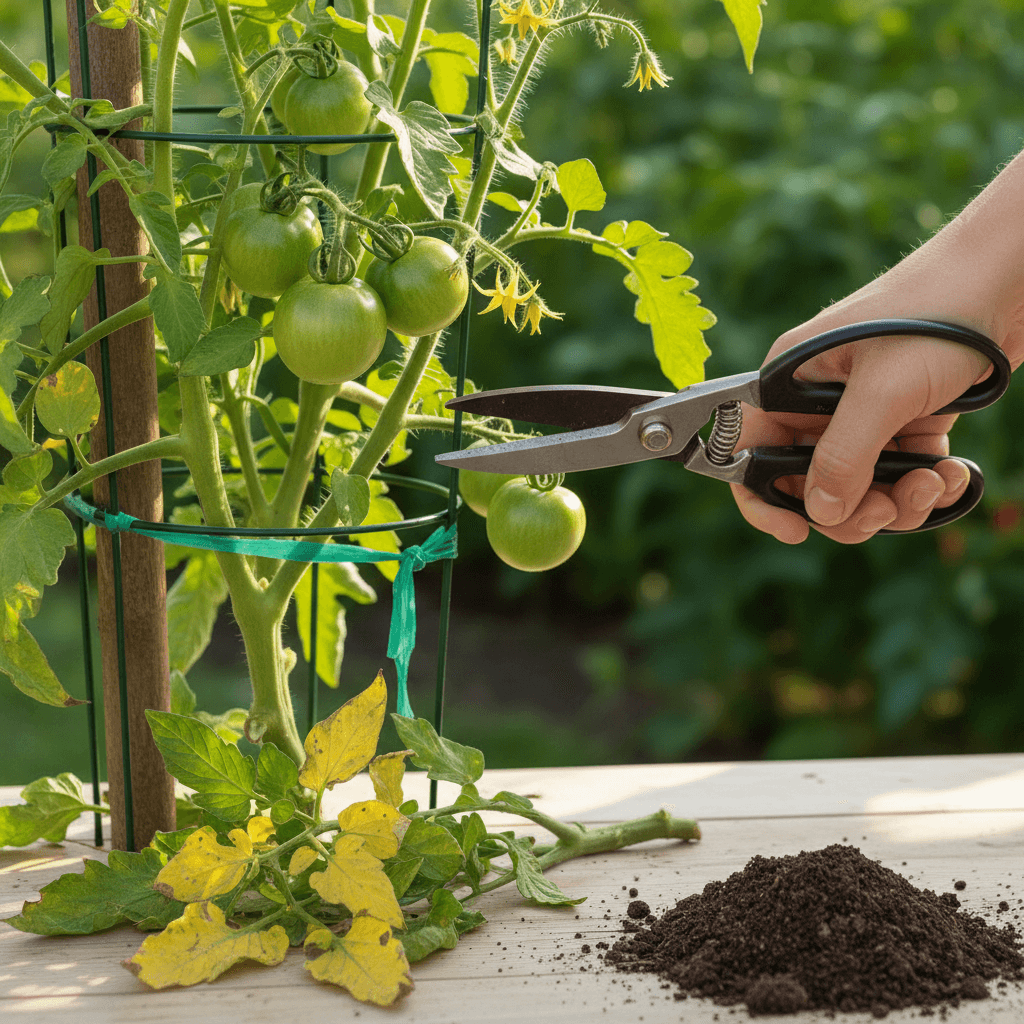
Pruning Techniques are often misunderstood. Here’s what most people don’t realize: less is more. Remove suckers (the shoots between the main stem and branches) to focus energy on fruit production, but don’t strip the plant bare. In 2025, growers are using the “Missouri Pruning” method—pinching suckers above the first two leaves—to balance growth and yield. This simple tweak can boost airflow, reduce disease, and increase fruit size.
Staking and Trellising are non-negotiable for serious tomato farmers. Whether you use cages, stakes, or the Florida weave, keeping plants upright prevents rot and makes harvesting a breeze. A 2025 case study from a California farm showed that trellised tomatoes produced 25% more marketable fruit than unstaked plants. Don’t let your tomatoes sprawl—give them the support they need to shine.
Maximizing Sunlight and Microclimate

Site Selection and Sun Exposure can make or break your season. Tomatoes crave at least 8 hours of direct sunlight daily. In 2025, more growers are using reflective mulches and row covers to boost light in marginal spots. If your garden is shaded, consider container growing or raised beds in sunnier areas. The best tomato farming tips always start with “location, location, location.”
Microclimate Management is the secret sauce for consistent yields. Use windbreaks, shade cloth, or even temporary hoop houses to buffer against extreme weather. A grower in Arizona used 30% shade cloth during a record heatwave in 2024 and still pulled in a bumper crop. Don’t just accept your climate—shape it to your advantage.
Harvesting Techniques for Peak Flavor

Knowing When to Harvest is both art and science. Tomatoes picked at the “breaker stage”—when they just start to turn color—ripen best off the vine. In 2025, Brix meters (which measure sugar content) are helping growers pinpoint peak flavor. If you’re selling at market, harvest early in the morning for the freshest, longest-lasting fruit. Don’t wait until tomatoes are fully red on the vine—they’ll be softer and more prone to splitting.
Post-Harvest Handling is where profits are won or lost. Handle fruit gently, avoid stacking more than two layers deep, and store at 55-70°F for best shelf life. A 2025 survey of top tomato farms found that careful post-harvest handling reduced losses by up to 40%. Treat your tomatoes like the treasures they are—your customers (and your bottom line) will thank you.
Season Extension Strategies

Using Row Covers and Tunnels is a game-changer for early and late harvests. In 2025, lightweight row covers and high tunnels are more affordable and effective than ever. They protect against frost, wind, and pests, giving you a head start in spring and a longer run in fall. One grower in Michigan reported an extra six weeks of harvest using a simple low tunnel setup. If you want to outpace the competition, season extension is your secret weapon.
Succession Planting keeps your harvest coming. Instead of planting all at once, stagger your plantings every 2-3 weeks. This ensures a steady supply of ripe tomatoes, not a glut followed by a drought. The best tomato farming tips always include a plan for continuous production—don’t put all your eggs (or tomatoes) in one basket.
Companion Planting for Healthier Tomatoes

Best Companion Plants include basil, marigold, and garlic. These aren’t just old wives’ tales—2025 research shows that basil can repel thrips, marigolds deter nematodes, and garlic reduces fungal disease. Planting companions isn’t just about pest control; it’s about creating a thriving, balanced ecosystem. If you want tomatoes that practically grow themselves, give them some good neighbors.
What to Avoid is just as important. Don’t plant tomatoes near potatoes or fennel—these can attract pests or stunt growth. Rotate your crops every year to keep soil healthy and disease at bay. Companion planting is like building a community—choose your friends wisely, and everyone thrives.
Organic vs. Conventional Tomato Farming

Organic Practices are gaining ground in 2025, with more consumers demanding chemical-free produce. Organic tomato farming relies on compost, cover crops, and natural pest control. The payoff? Higher prices at market and healthier soil long-term. But let’s be honest—organic isn’t always easier. It takes planning, vigilance, and a willingness to experiment.
Conventional Methods still dominate large-scale production, thanks to higher yields and lower labor costs. But even conventional growers are adopting sustainable practices—like integrated pest management and reduced tillage—to stay competitive. The best tomato farming tips blend the strengths of both worlds: use what works, ditch what doesn’t, and always keep learning.
Smart Technology in Tomato Farming 2025

Precision Agriculture Tools are revolutionizing tomato farming. In 2025, affordable soil sensors, drone mapping, and AI-powered apps are within reach for even small growers. These tools help you monitor moisture, spot disease early, and optimize fertilizer use. One case study from Spain showed a 22% yield increase after adopting smart irrigation and drone scouting. If you’re not using tech to your advantage, you’re leaving easy wins on the table.
Data-Driven Decisions are the new normal. Keep detailed records of planting dates, varieties, yields, and pest outbreaks. Use this data to refine your approach year after year. The best tomato farming tips aren’t just about what you do—they’re about learning from what you’ve done. In 2025, the smartest farmers are the ones who never stop improving.
Climate Change Adaptation for Tomato Growers

Heat and Drought Tolerance is no longer optional. With 2025 bringing hotter summers and unpredictable rainfall, choosing heat-tolerant varieties and mulching heavily is essential. Drip irrigation and shade cloth can mean the difference between a bumper crop and a total loss. A grower in Australia switched to drought-resistant ‘Phoenix’ tomatoes and saw yields hold steady despite record heatwaves. Adaptation isn’t just smart—it’s survival.
Resilient Farming Practices include crop rotation, cover cropping, and building organic matter. These strategies buffer against extreme weather and keep your soil healthy. The best tomato farming tips for 2025 are all about resilience—plan for the worst, and you’ll be ready for anything.
Marketing and Selling Your Tomatoes
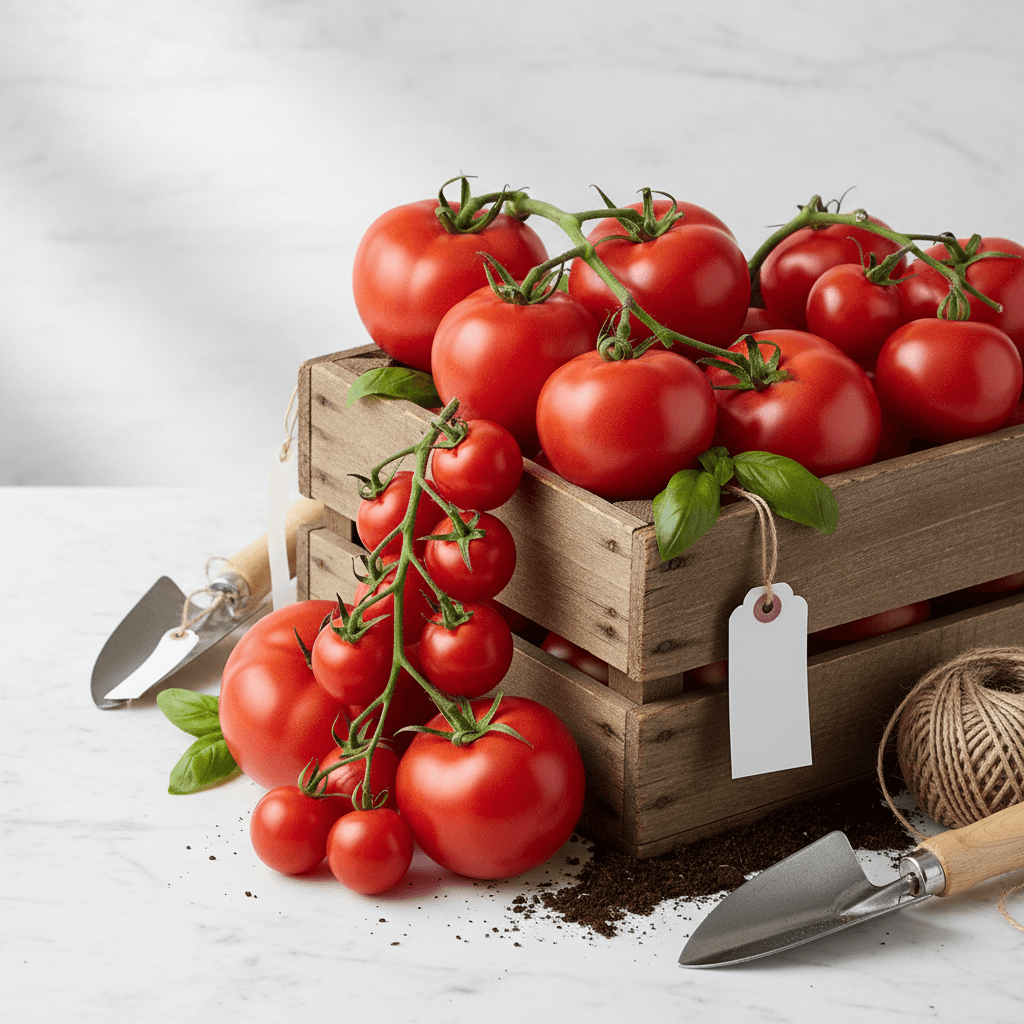
Direct-to-Consumer Sales are booming in 2025. Farmers’ markets, CSA boxes, and online sales platforms let you connect directly with customers. Tell your story—why your tomatoes are different, how you grow them, and what makes them special. A small grower in Vermont doubled her profits by offering “pick-your-own” tomato days and sharing recipes on social media. Don’t just sell tomatoes—sell an experience.
Value-Added Products like sun-dried tomatoes, sauces, and salsas are hot sellers. In 2025, consumers want convenience and flavor. If you have a surplus, turn it into something irresistible. The best tomato farming tips don’t end at harvest—they help you capture every dollar of value from your crop.
Common Tomato Farming Mistakes to Avoid

Overwatering and Underfeeding are classic blunders. Too much water drowns roots; too little fertilizer starves plants. In 2025, use soil sensors and slow-release feeds to hit the sweet spot. Don’t guess—measure, adjust, and watch your plants respond.
Ignoring Early Warning Signs is another pitfall. Yellowing leaves, stunted growth, or odd spots are your plant’s way of asking for help. Act fast, and you’ll save your crop. Wait too long, and you’re playing catch-up. The best tomato farming tips are proactive, not reactive—stay one step ahead, and you’ll reap the rewards.
Record Keeping and Continuous Improvement

Keeping Detailed Records is your secret weapon. Track everything: varieties, planting dates, weather, yields, and pest outbreaks. In 2025, simple farm management apps make this easier than ever. Review your notes each season to spot patterns and improve. The best tomato farmers are always learning—don’t let last year’s mistakes repeat themselves.
Learning from Others is invaluable. Join local grower groups, attend field days, and follow agri-influencers online. Share your wins and losses, and soak up new ideas. The best tomato farming tips are often the ones you pick up over coffee with a fellow grower. Stay curious, stay humble, and your tomatoes will thank you.
Conclusion

The best tomato farming tips for 2025 aren’t just about following a checklist—they’re about adapting, experimenting, and staying ahead of the curve. Whether you’re chasing bigger yields, better flavor, or a more sustainable farm, these strategies will help you get there. Remember, every season is a new opportunity to learn and grow. Start with these tips, trust your instincts, and watch your tomato harvest reach new heights this year.


 Photo by